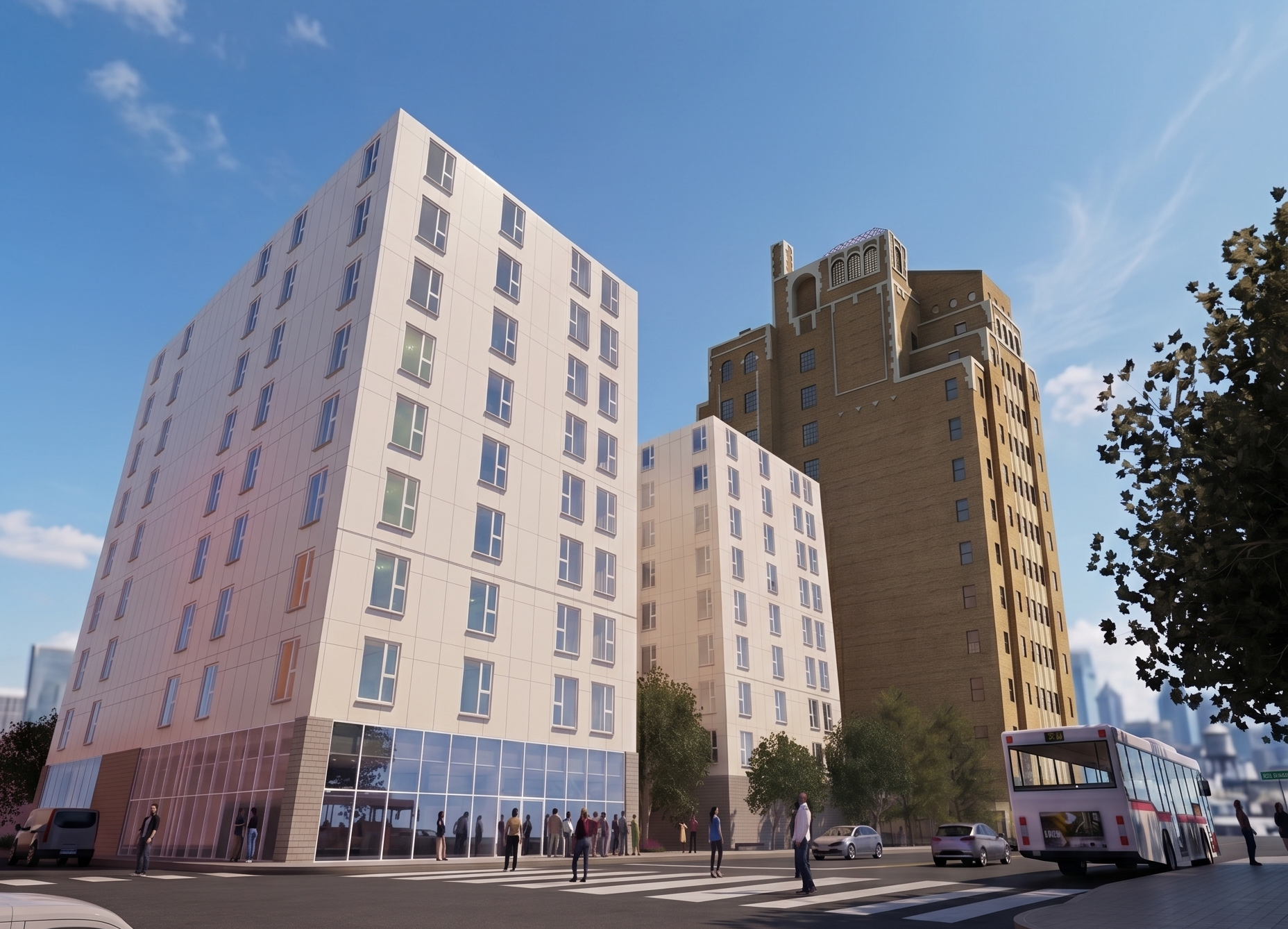
Project Background
The Hunting Park Residences project is a nine-story mixed-use development designed to tackle two critical challenges: environmental sustainability and Philadelphia's ongoing housing shortage. Traditionally, mid-rise buildings rely heavily on steel and concrete, which carry a massive carbon footprint. To change this, our team engineered an eco-friendly "hybrid" structure that pairs a strong concrete base with upper floors made entirely of mass timber.
Beyond its low-carbon design, our motivation is deeply rooted in the local community. By integrating affordable housing units into the development, we are directly responding to the pressing need for accessible, high-quality living spaces in this specific area of Philadelphia.
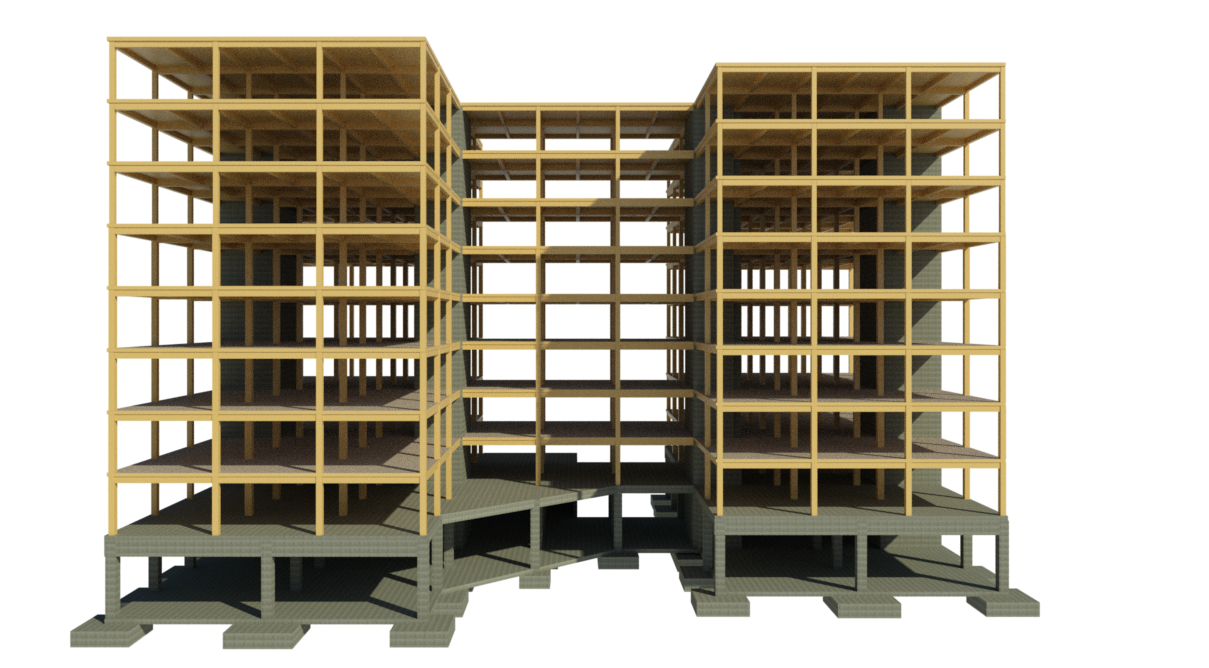
Figure 1: Isometric view of the building's structural system.
Structural System Optimization
The Hunting Park Residences project challenged our interdisciplinary senior design team to engineer a resilient, nine-story mixed-use building prioritizing low-embodied carbon materials. The final structural strategy required balancing the unique demands of a concrete podium with the lightweight efficiency of a mass timber superstructure.
The mass timber superstructure utilizes Nordic Structures Lam+ Glulam columns and beams, as well as Nordic Structures X-Lam CLT for the floors. The lateral system of the building consists of cast-in-place concrete shearwalls located around the four stair and elevator towers.
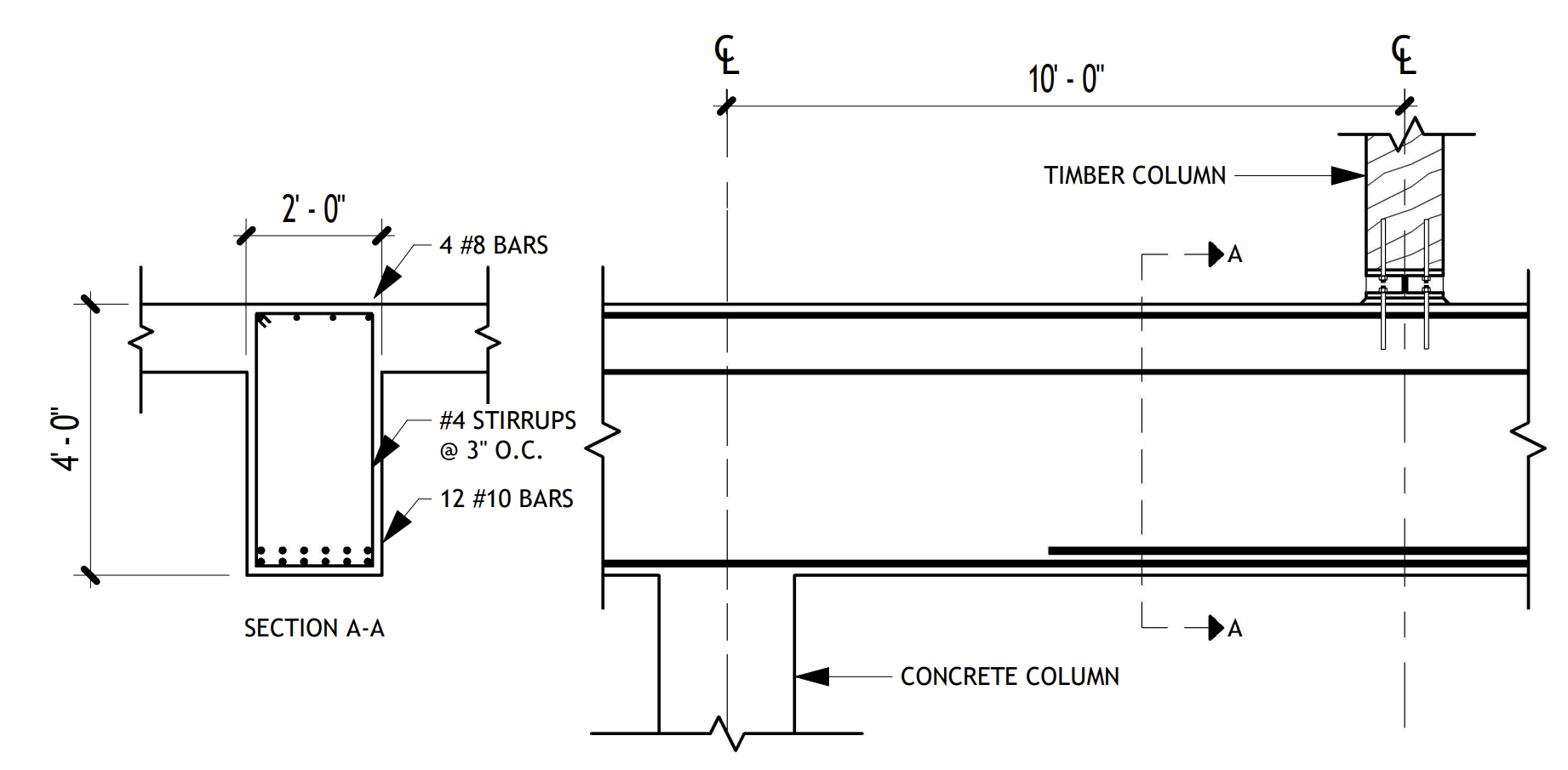
Figure 2: Typical detail of a concrete transfer beam.
Load Path & Detailing
A critical challenge in designing the project's structure was connecting the concrete podium to the mass timber superstructure to maximize the efficiency of both systems. Since the podium sits on a 20' x 30' grid layout and the superstructure sits on a 20' x 20' grid layout, we needed to design concrete transfer beams to carry the load of the interior timber columns to the nearest concrete column.
To safely span this 10-foot offset and support the heavy point loads, we engineered robust 24-inch by 48-inch concrete T-beams that act integrally with the podium slab. The intense flexural demands required twelve #10 longitudinal bars along the bottom tension face, balanced by four #8 bars at the top. Finally, to resist the extreme shear forces generated by the superstructure above, we detailed #4 stirrups at 3-inch spacing.
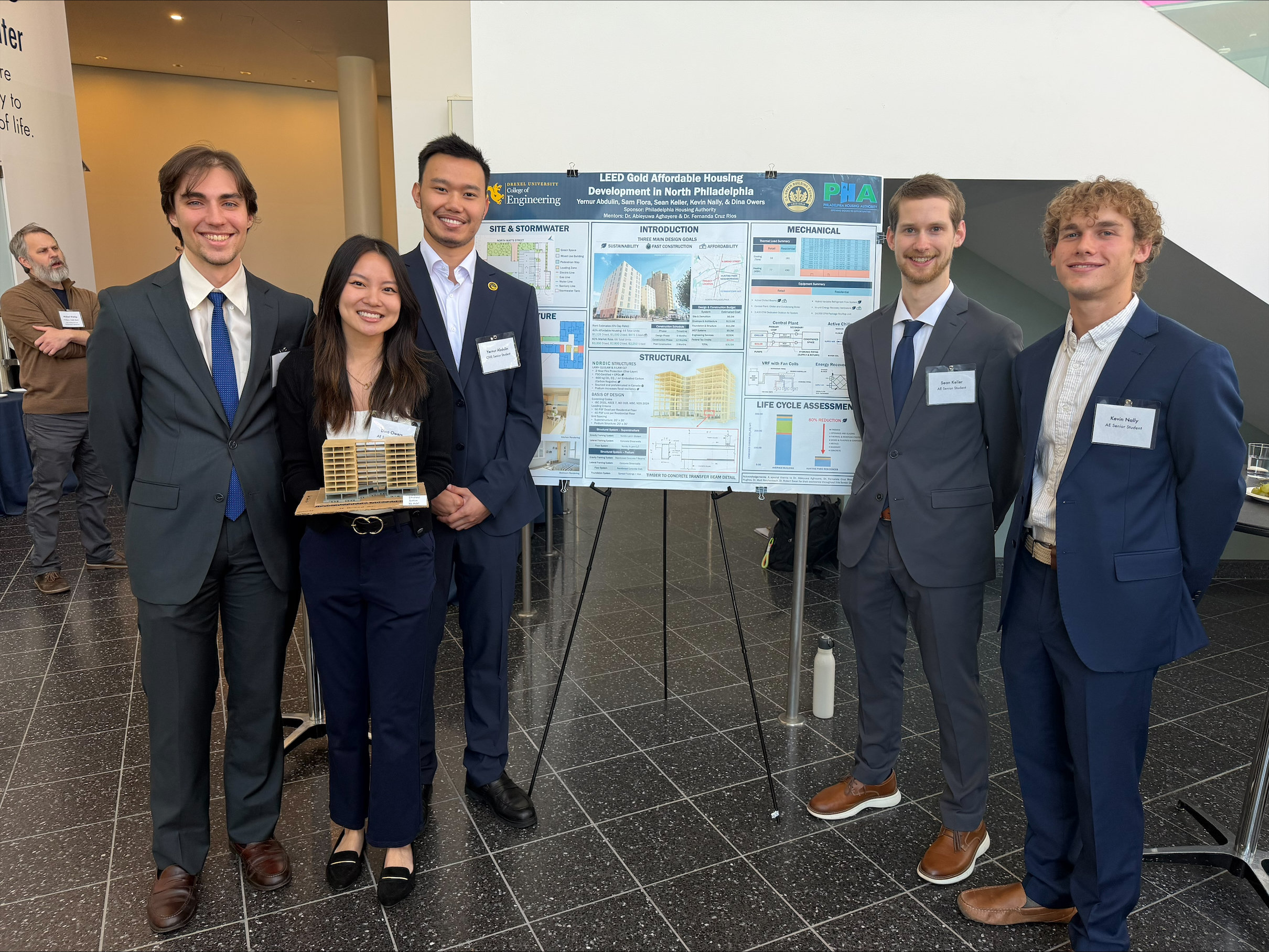
Figure 3: Senior Design Poster Event with the team and advisors.
Project Outcome
The culmination of our work on the Hunting Park Residences was showcased at the annual senior design poster presentation, where we defended our hybrid mass timber and concrete structural solution to faculty, peers, and industry professionals. As a result, our team was incredibly honored to be selected as the sole project to represent the Civil, Architectural, and Environmental Engineering (CAEE) department.
Advancing to the college-wide Drexel College of Engineering (COE) competition allowed us to pitch our work against the top senior design projects from every engineering discipline. It provided an excellent platform to advocate for sustainable structural design and demonstrate the real-world viability of mass timber in mid-rise urban development. Earning this exclusive spot to compete at the COE level was an immensely rewarding way to conclude the project and validate the countless hours we spent refining our models and calculations.